
Choosing a School That Aligns with Your Faith and Values
Faith-based education in Fort Collins is simply the act of schooling where Jesus, Scripture, and Christian character are part of everyday learning, not just an add-on. For many local families, this includes looking at homeschool, hybrid programs, and private Christian schools that share their beliefs. Parents want strong academics, but they also want their children’s hearts and minds shaped by truth.
We talk with many Christian parents who are rethinking traditional public school. Some are homeschooling and feel tired from planning every lesson. Others love the idea of more structure but are not ready to hand everything over to a full-time campus model. A faith-based school or hybrid program can meet those needs by blending solid teaching with clear spiritual goals.
If your family is thinking about a new plan for the next school year, it helps to know what to expect. This guide is meant to give you a clear picture of what faith-based education in Fort Collins can look like and how it might serve both your child and your calling as a parent.
What Faith-Based Education in Fort Collins Really Offers
A good Christian school takes academics very seriously. The goal is not to be “easier” than other options, but to teach a rich, structured curriculum while viewing each subject through a biblical lens.
You can expect:
- Strong, content-rich lessons in core subjects
- Clear expectations for reading, writing, and math skills
- Teachers who connect truth from Scripture with daily learning
- A view of knowledge that sees God as the source of all wisdom
Faith-based does not mean light or shallow. It means that when students study history, science, or literature, they are encouraged to see how God’s character, design, and purposes show up in what they learn.
A Christian school also cares about the whole child, not just grades. Parents often notice:
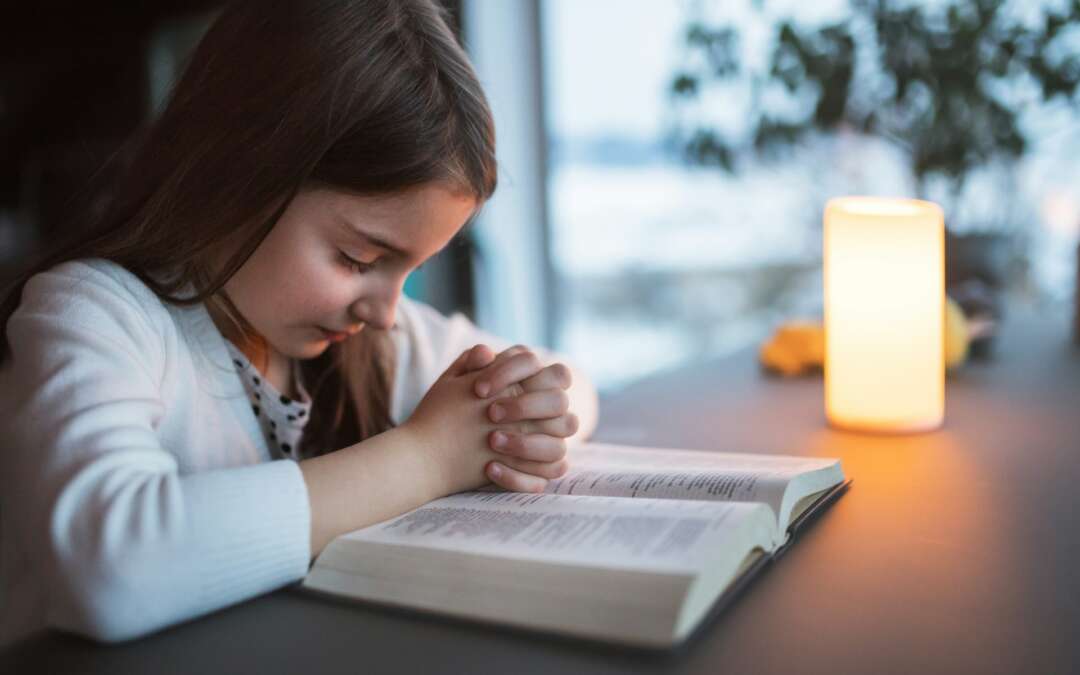
- Daily prayer as a normal part of classroom life
- Scripture memory that trains both mind and heart
- Character teaching that talks about honesty, kindness, and courage
- Service projects that help students think about others, not just themselves
These habits shape the way children respond to both success and struggle. The focus is not on perfection, but on growth, repentance, and grace.
Another key piece is the sense of community. When most families share a Christian faith, there is:
- More consistency between what children hear at home and at school
- Support from teachers and other parents who share your values
- Encouragement for moms and dads who are moving from full-time homeschool to a more structured model
This kind of like-minded setting can be a relief. Parents know they are not “on their own” in raising their children to follow Christ.
Inside the Classroom: How Faith Shapes Learning
In faith-based education, Bible is usually a core subject, but it is also the lens for every other subject. Students read Scripture, learn key truths, and talk openly about how these truths connect to real life.
For example:
- In history, students may see events as part of God’s larger story and His care for different peoples and nations.
- In science, they can explore creation as ordered and purposeful, made by a wise Creator.
- In literature, they might compare characters’ choices with biblical teaching about right and wrong.
This does not turn every lesson into a sermon. Instead, it means that teachers do not separate “faith” and “school,” but show how God’s truth speaks to all areas of learning.
Many Christian schools also use a Core Knowledge style curriculum. This type of curriculum:
- Builds knowledge in a planned sequence, grade by grade
- Covers history, science, literature, geography, and the arts in a clear order
- Helps students connect past learning with new topics
When a Core Knowledge approach is joined with a biblical worldview, students begin to see both order and design. They gain background knowledge, but they also learn that the world is not random. It reflects a Creator who loves beauty, logic, and truth.
Small class sizes are another common feature. In a smaller room, teachers can:
- Get to know each student’s strengths and struggles
- Give more personal feedback and help
- Talk with students about heart issues, not only homework
This is often a gentle step for children coming from homeschool. They can learn how to work in groups, follow classroom routines, and obey another adult, while still enjoying close attention and a calmer setting.
Hybrid Education: A Bridge Between Home and School
Many Christian families in Fort Collins are drawn to a modified hybrid schedule. In a hybrid model, children spend part of the week on campus and part learning at home.
A typical pattern might look like:
- Several days each week in the classroom with teachers
- The remaining days at home completing planned lessons
- Parents acting as home instructors, supported by the school
This keeps the flexibility and close family time of homeschooling, while giving students regular classroom structure, friends, and accountability.
In a strong hybrid program, the school sees parents as the primary educators. That means:
- Clear lesson plans and instructions for home days
- Materials aligned with what is taught in class
- Regular communication about expectations and progress
Parents do not have to design every assignment from scratch, which can ease stress. At the same time, they stay deeply involved in their children’s learning and character formation.
Hybrid students also gain important social and spiritual input. On campus days, they experience:
- Friendships with peers who are being taught similar values
- Group discussions, labs, and projects that build teamwork skills
- Mentorship from Christian teachers who care about both academics and faith
This can be especially helpful for families who are new to the area, or whose children are longing for Christian friendships after time in a different setting.
Preparing Your Child for Fall Enrollment in a Christian School
Late June is a key planning time for families thinking about the fall. Many Christian schools are finalizing classes, ordering materials, and confirming enrollment. If you are considering a change, this is a good moment to move from “thinking” to taking simple, steady steps.
Helpful actions might include:
- Asking about current openings in your child’s grade
- Scheduling a tour to see classrooms and meet staff
- Completing forms and gathering records
- Talking as a family about how schedules will adjust
If your child is coming from homeschool or public school, a little preparation goes a long way. You can:
- Start a more regular morning routine that looks like a school day
- Practice packing a backpack, preparing lunch, and being ready at a set time
- Talk often, in simple terms, about what will be different and what will stay the same
Involving your child can lower worry. Let them help pick supplies, choose a lunchbox, or attend any open house or orientation. Knowing faces and spaces before the first day can bring comfort.
As you think through options, it helps to ask yourself:
- What are our top academic goals for our child this year?
- What kind of spiritual input do we want them to receive each week?
- How many days do we want them on campus versus learning at home?
- How involved do we want to be in daily lessons and homework?
Comparing different forms of faith-based education in Fort Collins, including hybrid programs, can help you find a setting that fits both your convictions and your practical needs.
Taking Your Next Step Toward Christ-Centered Learning
Choosing a school is really about choosing a path of formation. It is worth pausing to pray, talk as a couple, and think about what you want most for your children in the years ahead. Many parents tell us they want their children to know God, think clearly, love others, and stand firm in truth.
As you visit Christian schools, consider questions about curriculum, theology, discipline, and parent partnership. Pay attention to the feel of the classrooms. Do you see joy in learning, respect between teachers and students, and clear signs that faith and learning are woven together?
At Christian Core Academy in Fort Collins, we seek to offer exactly what many families are looking for: a Core Knowledge curriculum taught from a biblical worldview, small class sizes, and a modified hybrid schedule for Pre-K through 8th grade. For families exploring faith-based education in Fort Collins, this kind of model can provide a thoughtful balance of strong academics, Christ-centered teaching, and meaningful parent involvement.
Equip Your Child With a Strong Academic and Spiritual Foundation
If you’re seeking a school that nurtures both your child’s mind and heart, Christian Core Academy is here to partner with your family. Discover how our faith-based education in Fort Collins integrates a biblical worldview into rigorous academics and daily life. We invite you to explore how our Christ-centered community can support your child’s growth and help them stand firm in their faith.